Nationwide Auto & Boat TransportAll 48 Continental States, One Truck, One Driver
Cross country work is where brokered freight falls apart. Long lanes get posted, repriced and handed to whoever takes them. Ours stay with the truck that quoted them.
What nationwide actually means here
Plenty of companies say nationwide. What they usually mean is that they will post your load to a national board and let whoever accepts it drive it. The word describes their reach, not their trucks, and on a two thousand mile lane that difference is the whole job.
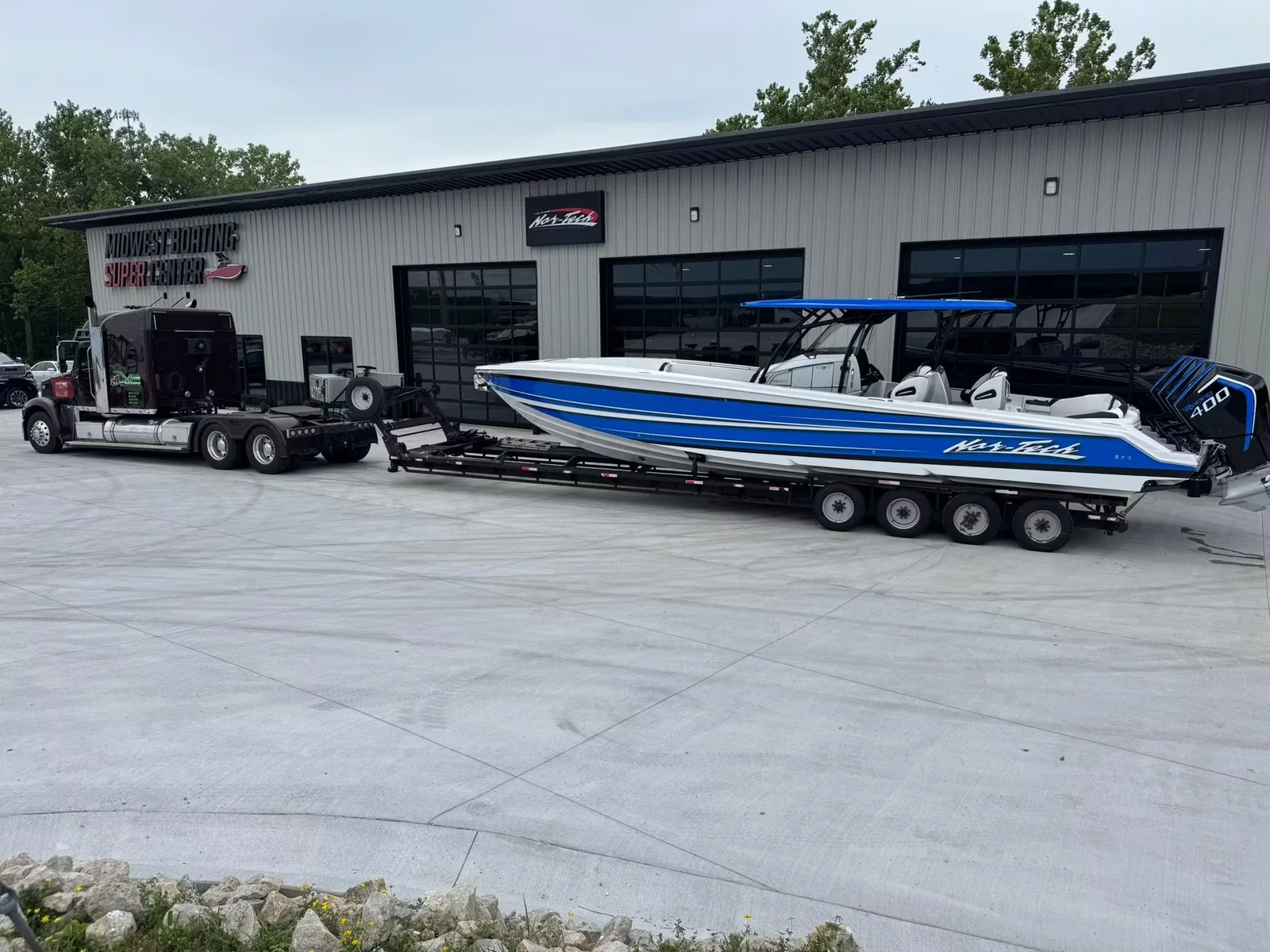
We are a licensed motor carrier based in Eldon, Missouri, near the middle of the country and minutes from the Lake of the Ozarks. One truck, one driver, and the owner is the driver. When a run goes coast to coast, the same person loads it in one state and hands it back in another. Nobody swaps out at a state line.
Being centrally located is the practical part. Missouri sits within a day or two of most of the lower 48, which is why long lanes out of here work at all and why a boat coming from Florida to the Pacific Northwest can be picked up on the way through rather than as a dedicated trip.
The lanes that run most often
Point to point anywhere in the continental United States. These are the corridors that come up week after week, and the ones most likely to have room on a trip already going that way.
Midwest to Florida and the Gulf
The busiest lane on the board. Boats south for the season, vehicles down with the snowbirds, and the spring return worth booking in the same call. See snowbird transport for the seasonal side.
Midwest to Texas and the Southwest
Down through Arkansas to the Gulf coast, the Hill Country lakes, and on to Phoenix and Lake Havasu. Desert runs where heat and wind restrictions on a tall load shape the schedule more than the mileage does.
Coast to coast, Missouri to California
The long one. Fewer trucks run west empty, so timing a run alongside other freight is what keeps a cross country haul sensible rather than punishing.
The Northeast, Great Lakes and Carolinas
North to Michigan, Wisconsin and Minnesota where the season runs opposite to the Gulf, and east to the Chesapeake and the Carolinas where low clearances decide the route.
What changes on a long haul
A four hundred mile run and a two thousand mile run are not the same job scaled up. These are the things that actually change once a lane gets long.
More state lines, more paperwork
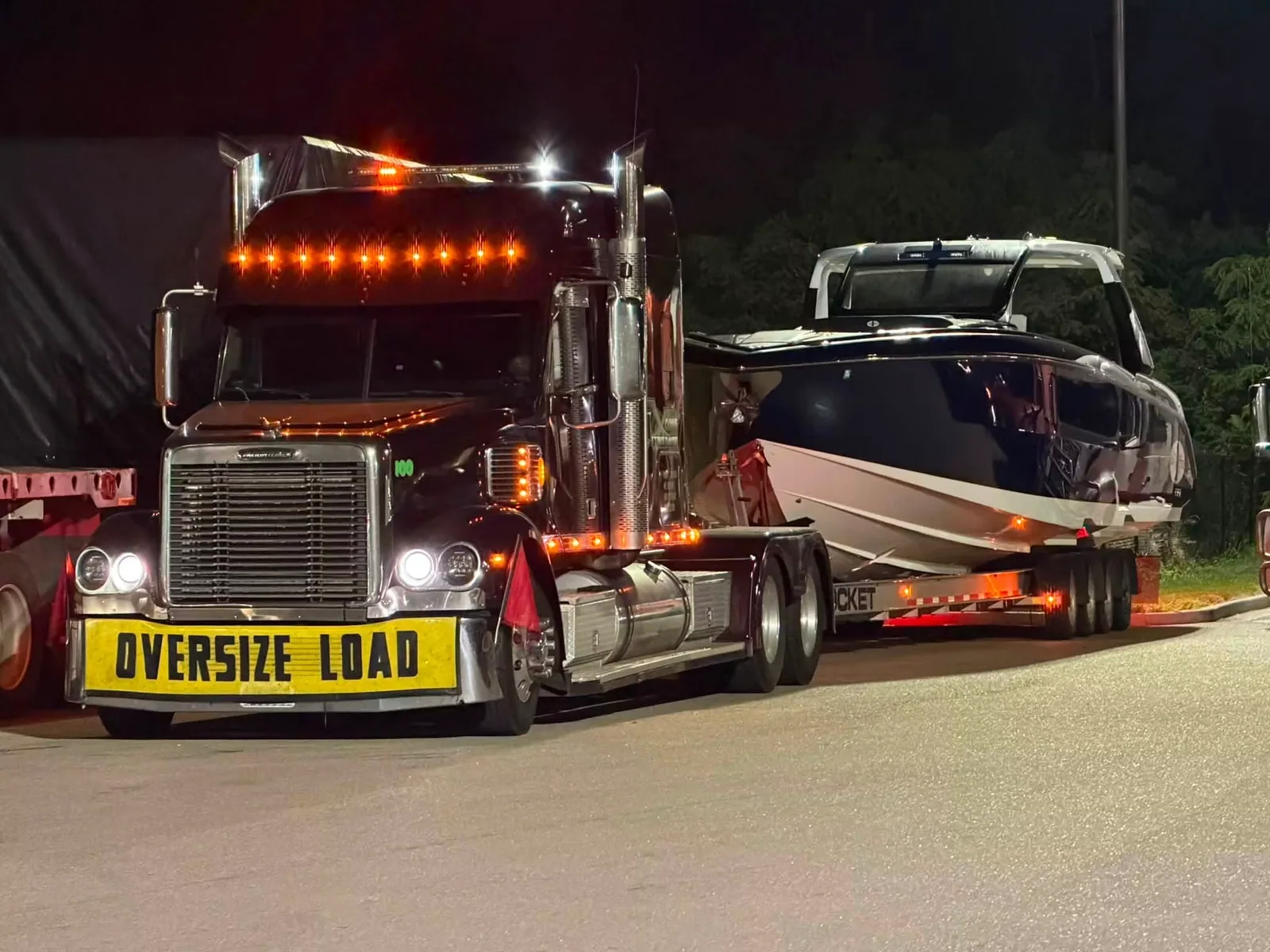
On an oversize load every state needs its own permit, with its own fee, route and travel hours. A cross country wide load can need six or seven of them, which is the main reason these need lead time. The pilot car is only required on some legs, not all of them.
Daylight windows stack up
Most states restrict oversize movement to daylight, so a long lane becomes a series of shorter days. Add a holiday weekend or a metro curfew and a two day run becomes four.
Weather is a routing problem, not a delay
Mountain passes in winter, wind limits on a tall load, and closed interstates all move a long haul. We would rather sit a day than push a wide load through conditions that do not suit it.
The return leg matters to the price
A lane that ends somewhere with freight heading back prices better than one that ends where the truck drives home empty. Somebody always pays for empty miles, so flexible dates genuinely help on the long ones.
When the long lanes move
Cross country work has a rhythm, and knowing where you sit in it is the cheapest lever you have.
Autumn, heading south
October through December is the heaviest southbound stretch of the year. Boats to the Gulf, vehicles to Florida and Arizona, and the calendar filling weeks ahead.
Spring, heading north
March through May reverses it. Everything comes back, and the last fortnight of April is the tightest window on the board.
Summer
Relocations peak with the school calendar, and event work clusters. The Lake of the Ozarks Shootout pulls boats in from across the country at the end of August.
Winter
The quiet stretch, and the cheapest time to move something long distance if your dates are flexible. The tradeoff is weather, which stops an oversize load outright rather than merely slowing it.
A Licensed Carrier, Not a Broker
Search for transport here and nearly every result is a broker with a landing page. They take your deposit, post the job to a load board, and hand it to whoever accepts it. We are the truck, and we are down the road.
- The owner hauls itTen years, one truck, zero crashes in the last twenty four months.
- You can verify usUSDOT 2817526 and MC-939339, active authority, on the public FMCSA record.
- No load board rouletteYour boat never gets posted to a board and handed to a stranger.
Guides Worth Reading First
Written by the person who drives the truck. No rate charts, no filler.
Common Questions
Do you really cover all 48 continental states?
Is nationwide transport more expensive per mile?
How long does a cross country haul take?
Do you drive it yourself the whole way, or hand it off?
Can you ship a boat across the country?
How far ahead should I book a long distance move?
Get a Real Number for Your Lane
Send the two ends of the trip and what is moving. The owner replies personally, usually the same day.
USDOT 2817526 · MC-939339 · Eldon, Missouri · Serving all 48 continental states